British International Investment (BII), the United Kingdom’s premier development finance institution, has unveiled an ambitious new five-year strategy that aims to mobilize £9 billion in fresh capital for Africa, doubling down on its historic commitment to the continent’s economic transformation. This latest push is not merely a financial target but a bold recalibration of development finance priorities, focusing sharply on frontier markets and the continent’s most vulnerable economies, where pr
04/28/26 • 12 Vues

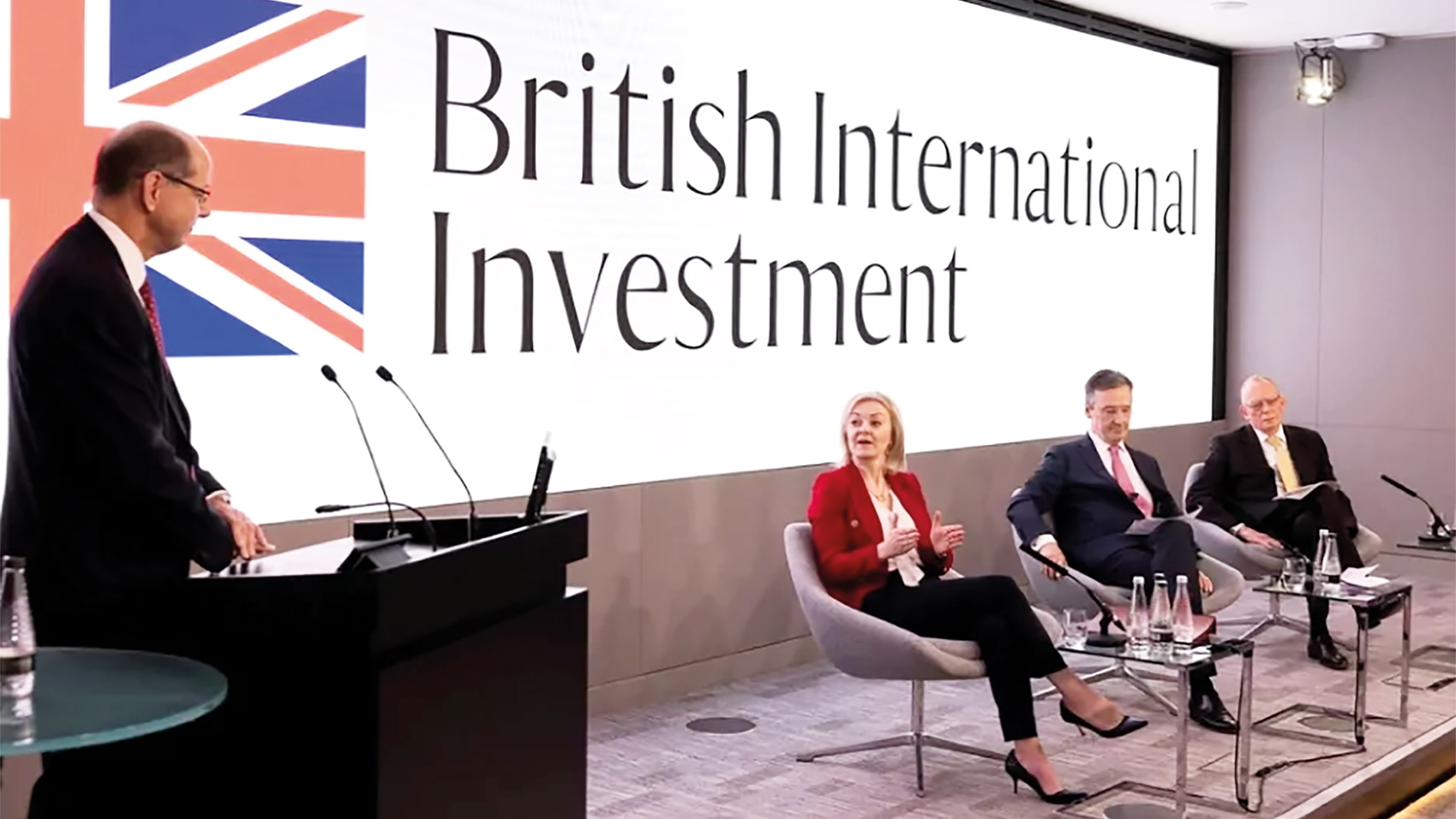
British International Investment (BII), the United Kingdom’s premier development finance institution, has unveiled an ambitious new five-year strategy that aims to mobilize £9 billion in fresh capital for Africa, doubling down on its historic commitment to the continent’s economic transformation.
This latest push is not merely a financial target but a bold recalibration of development finance priorities, focusing sharply on frontier markets and the continent’s most vulnerable economies, where private capital has traditionally been scarce.
At the core of BII’s strategy is a commitment to funnel nearly half of the £9 billion, about £5 billion, directly from its own coffers, leveraging this public investment to attract additional funds from private investors both within Africa and around the world. This dual approach recognizes that while development finance institutions like BII are crucial, sustainable economic growth in Africa depends on mobilizing private-sector capital. The organization wields its nearly 80 years of investing experience to de-risk investments and build partnerships that encourage private institutions to enter sectors and countries they might otherwise avoid.
A particularly noteworthy element of the strategy is BII’s enhanced focus on frontier markets, countries classified by the United Nations as Least Developed Countries (LDCs). These markets, home to more than a billion people, have been historically underserved by capital due to structural and systemic barriers. BII has pledged that at least 25 percent of its new investments will flow to these LDCs, signaling a strategic pivot towards places like Sierra Leone and Zambia. Here, BII aims not just to invest capital but to engage in policy dialogue, technical assistance, and partnerships designed to strengthen local investment environments and capital markets.
This approach reflects a sophisticated understanding of Africa’s development challenges. While the continent has seen a rise in deal volumes in private capital markets over the past several years, many African countries still struggle with underdeveloped financial infrastructure, limited liquidity, and governance issues that hamper investment. BII’s strategy acknowledges these challenges head-on by combining capital deployment with ecosystem development, seeking to create conditions where private capital can thrive independently over time.
Sectorally, BII is concentrating its efforts on areas where it believes investment can deliver the greatest social and economic impact. Financial services, power, transport, trade, digital infrastructure, and sustainable industries are singled out as priority sectors. These areas are critical to unlocking economic potential, creating jobs, and improving quality of life across the continent. For instance, BII’s commitment to climate finance is set to rise to at least 40 percent of new investments, up from 30 percent in the previous period, highlighting the urgency of clean energy expansion in Africa.
Access to electricity remains a pressing challenge, with nearly 600 million Africans still lacking power. BII is aligning itself with Mission 300, a landmark initiative led by the World Bank and African Development Bank to connect 300 million people to electricity by 2030. By investing in renewable power generation, strengthening electricity grids, and supporting off-grid solutions, BII is helping to tackle energy poverty, which is a fundamental barrier to economic development and social progress on the continent.
The UK government’s development minister, Jenny Chapman, emphasized the broader strategic shift underpinning BII’s new direction. She articulated a vision where traditional aid is supplemented and eventually surpassed by sustainable, long-term partnerships that bring together investment, expertise, and policy reform. This holistic approach aims to enable African businesses to grow independently, create employment, and support governments in implementing reforms that reflect their own priorities.
Gender-lens investing is another pillar of BII’s strategy, with an explicit target that 30 percent of new investments will qualify under the 2X Challenge, a global initiative launched at the 2018 G7 Summit to channel capital toward businesses that empower women, particularly in emerging economies. BII was a founding member of this challenge and remains committed to supporting women entrepreneurs and boosting gender equality through its investments. The 2X Challenge’s criteria focus on leadership opportunities for women, access to finance, and economic benefits, making it a critical tool for integrating gender considerations into investment decisions.
BII’s managing director and head of Africa, Chris Chijiutomi, framed the strategy as a natural evolution that builds on decades of experience navigating Africa’s complex economic terrain. By focusing on frontier markets and high-impact sectors, and by mobilizing both domestic and international private capital, BII intends to maximize its developmental impact. This means not just funding individual companies but also making “market-level impact” investments designed to stimulate growth across entire sectors or regions.
Source: https://weekendpost.co.bw/9bn-africa-push-as-bii-pivots-to-frontier-markets-private-capital/
Articles Liés