When Rules Become Power – Dispute Resolution as a Delivery Tool, Not an Internal Sport and how it helps the ANC meet the Mayoral deadline ANC members attend the party's 5th National General Council in Boksburg. Effective dispute resolution can empower the ANC to meet its mayoral election deadlines and restore community trust. Faiez Jacobs shares insights from his experience to highlight the importance of a credible dispute process in safeguarding democracy. Image: Itumeleng English / Independent
05/02/26 • 1 Visninger

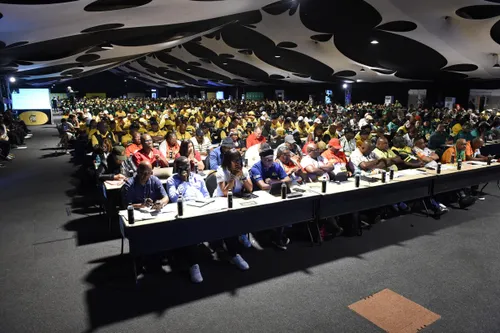
ANC members attend the party's 5th National General Council in Boksburg. Effective dispute resolution can empower the ANC to meet its mayoral election deadlines and restore community trust. Faiez Jacobs shares insights from his experience to highlight the importance of a credible dispute process in safeguarding democracy.
Image: Itumeleng English / Independent Newspapers
ANC TodayComrades, let me speak from experience.
I have sat in the chair of a provincial dispute structure long enough to know two truths at the same time. First, a credible dispute process is one of the ANC’s most important protections. It prevents intimidation from becoming a strategy. It protects internal democracy. It stops gatekeeping and procedural abuse from deciding who leads. Second, if we allow disputes to become an inward sport and navel gaze, we will lose the community while we win arguments inside the organisation.
That is the tightrope we must walk now.
The NEC has made a decisive call to widen nominations beyond the organisation and to actively recruit capable credible servant local leaders from across society. That is the correct directive and our systems must align. The NEC has also given us strict deadlines: mayoral candidates must be finalised and announced within weeks, not months. This means the movement must do two things at once:
This article is a practical guide for ordinary members and supporters, especially in wards and voting districts where our footprint is thin and where community trust must be earned. It explains how dispute resolution works, why it matters, and how we must upgrade it so it helps us meet deadlines and select leaders with credibility beyond our internal circles.
Dispute resolution has a clear purpose: it exists to correct breaches of rules and process that undermine fairness. It is a safeguard against manipulation. It is not meant to be a permanent substitute for political leadership, community engagement, and collective judgment.
Where we go wrong is when we treat it as the main arena of politics. We lodge dispute after dispute, not to restore fairness, but to delay, delegitimise, and bargain for outcomes later. That is how the organisation becomes trapped in navel gazing: we fight internally while communities judge us as absent, self-absorbed, and unserious about service.
If we are serious about renewal and about the NEC’s open nomination direction, then dispute resolution must be re-centred as a fast corrective mechanism with a strong link to community intelligence.
relaterede artikler